People Are Driven to Create Categories
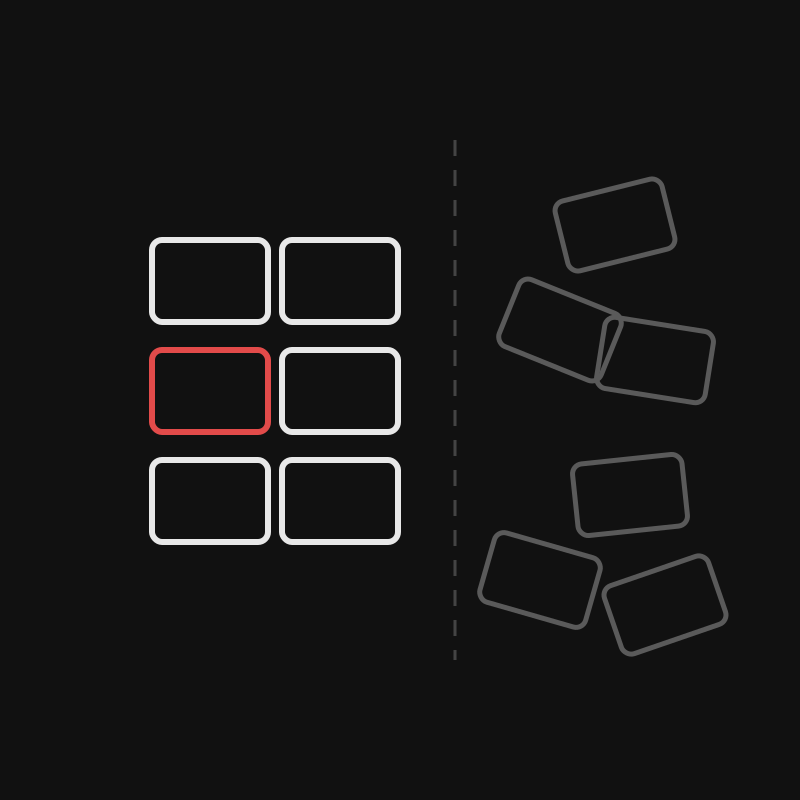
Categorizing comes naturally: when we face a lot of information, we automatically start grouping similar things to help us understand them. That's why participants get absorbed in card sorting, because the task matches a tendency they already have.
But a drive to categorize doesn't mean users want to build the organization themselves. If the information is plentiful and has no clear structure, they'll try to create a structure they can understand, and organizing becomes a burden. An option to “arrange things the way that suits you” doesn't make up for an interface that's organized from the start. What matters is the quality of the organization, not who did it.
A dashboard organized two ways
A dashboard for a management platform in two versions. In the first, at the top of the image («قبل - ترتيب بحسب اختيار المستخدم», Before: arranged by user choice), users are asked to pick the tools they need from a large set, and the sidebar is a run of items with no grouping. They aren't just choosing their content; they're taking on part of organizing the interface.
In the second, at the bottom («بعد - ترتيب افتراضي مدروس», After: a considered default), I started from a ready-made organization: tools in clear sections such as «متابعة اليوم» (Today) and «الأداء هذا الأسبوع» (This week's performance), and the sidebar in related groups. Items that don't really belong to a group, such as reports and settings, I kept on their own instead of forcing them into an illogical category. Customization is still there, but as an option on top of the default, not a condition for reaching an understandable interface.