UX principles
What I learn about user behavior and how it shapes design. Each principle is applied to a real interface. The series is written in Arabic, and I'm translating it chapter by chapter; untranslated principles open in Arabic.
70 of 100
How we see
12 of 12
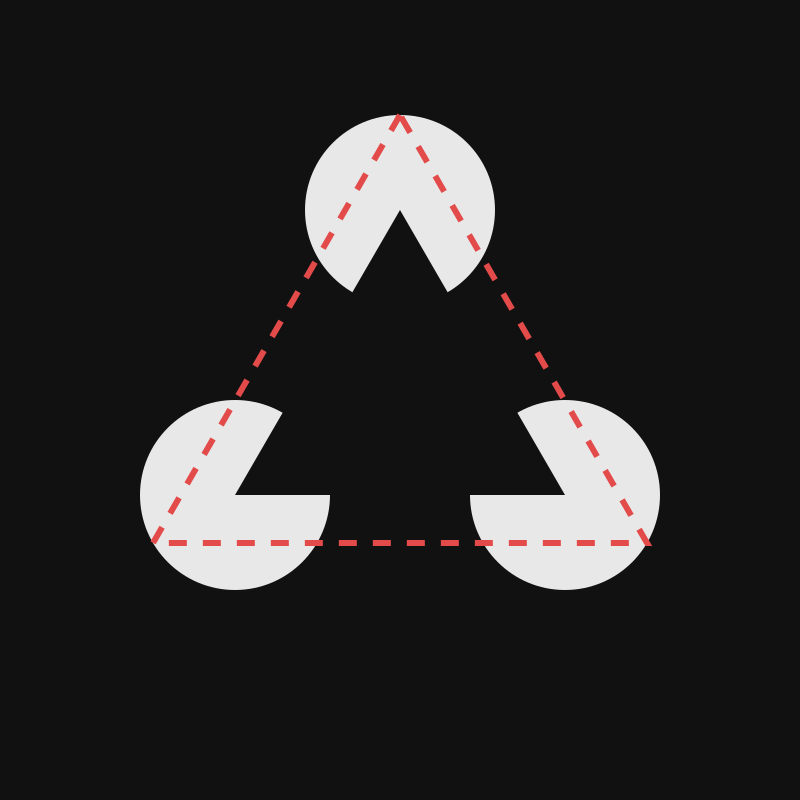 1What You See Isn't What Your Brain Gets
 2Peripheral Vision Does More Than Central Vision to Get the Gist
 3People Identify Objects by Recognizing Patterns
 4There's a Special Part of the Brain Just for Faces
 5There's a Special Part of the Brain for Simple Visual Features
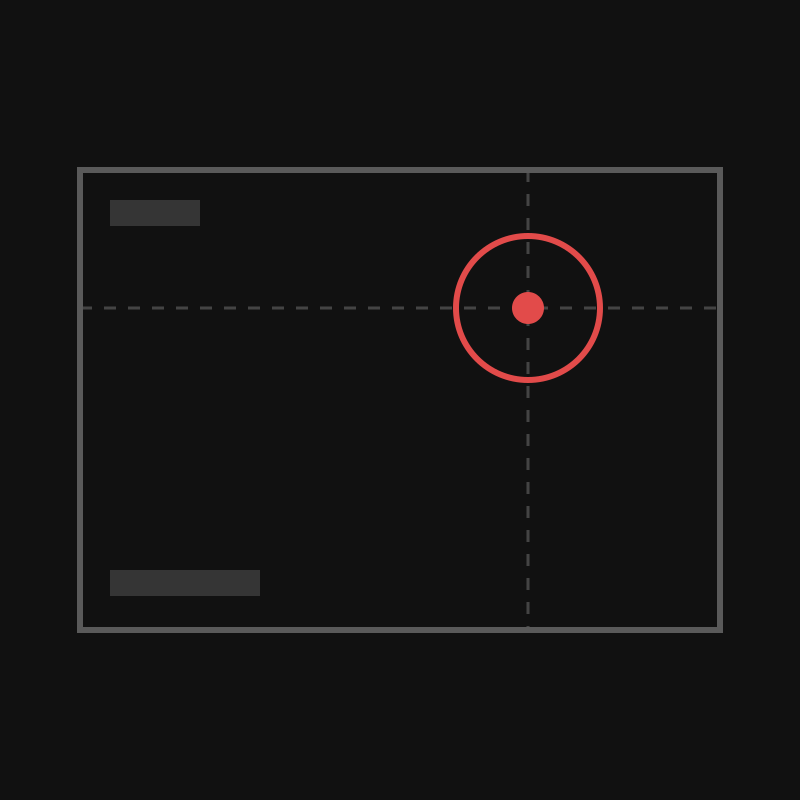 6People Scan Screens Based on Past Experience and Expectations
 7People See Cues That Tell Them How to Interact With Things
 8People Can Miss Changes in Their Field of View
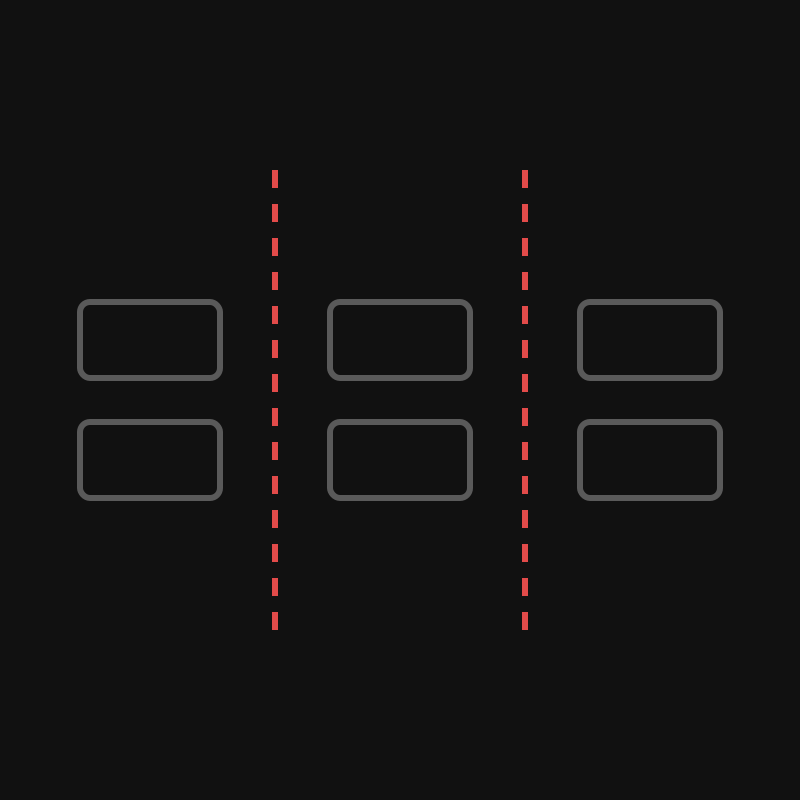 9People Believe Things That Are Close Together Belong Together
 10Red and Blue Together Are Hard on the Eyes
 119% of Men and Half a Percent of Women Are Color-Blind
 12Colors Mean Different Things in Different Cultures
How we read
6 of 6
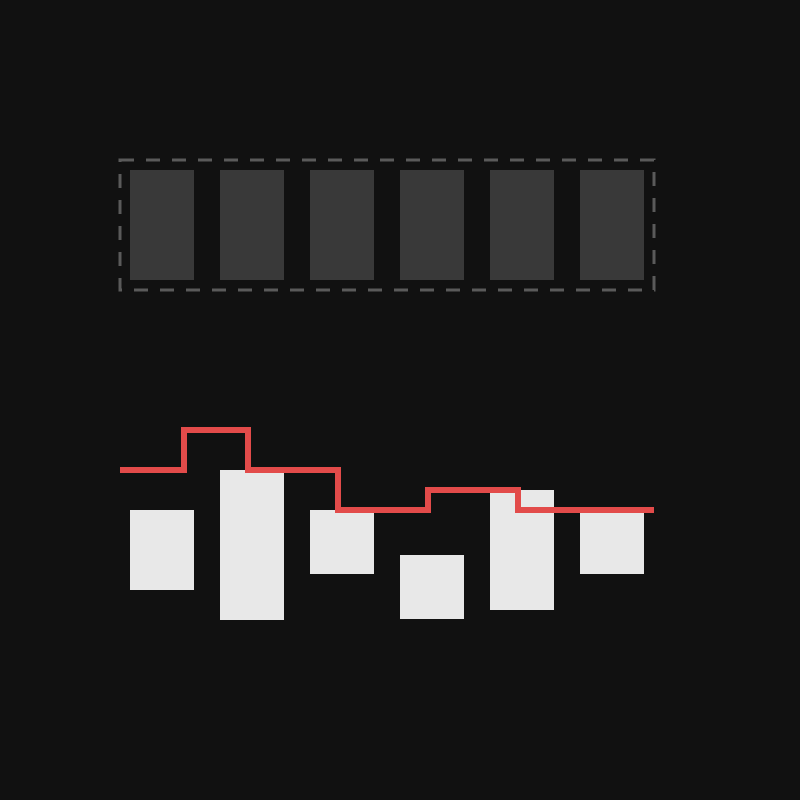 13It's a Myth That Capital Letters Are Inherently Hard to Read
 14Reading and Comprehension Are Two Different Things
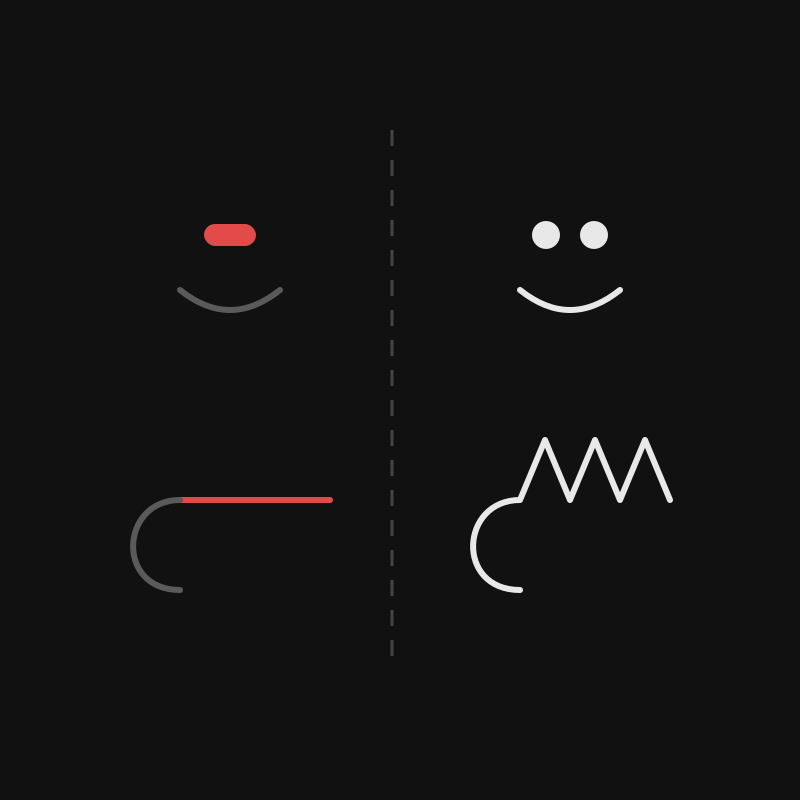 15Pattern Recognition Helps People Identify Letters in Different Fonts
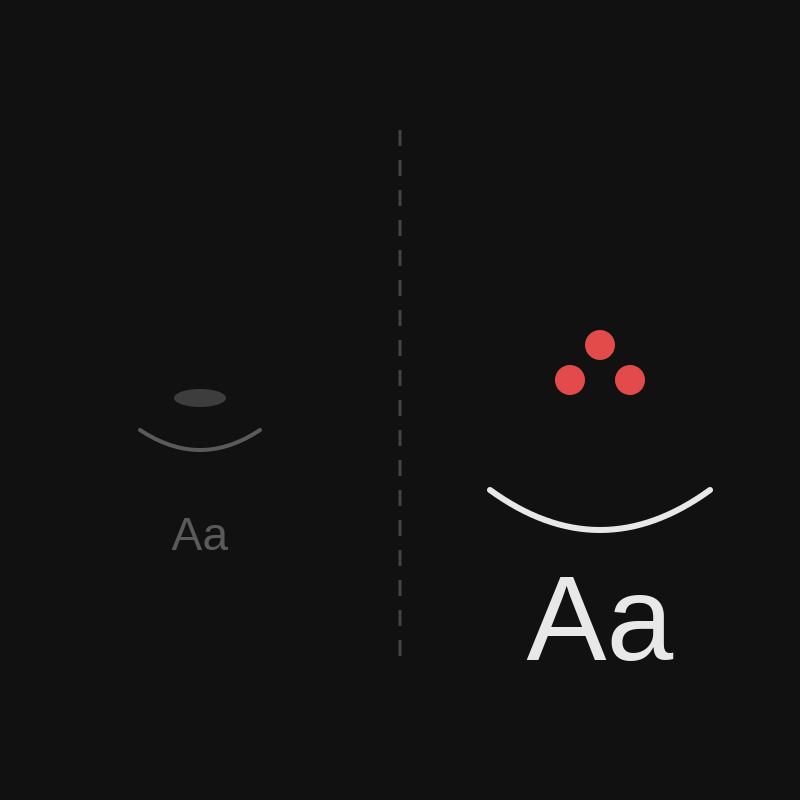 16Font Size Matters
 17Reading on a Screen Is Harder Than Reading on Paper
 18People Read Faster With Longer Lines, but They Prefer Shorter Ones
How we remember
8 of 8
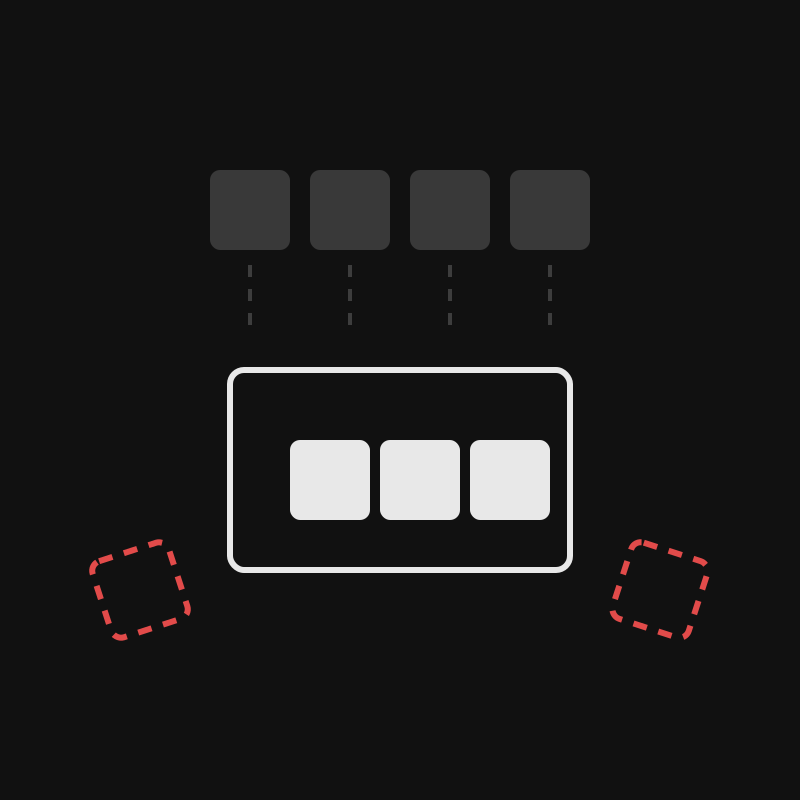 19Short-Term Memory Is Limited
 20We Can Only Remember Four Items at a Time
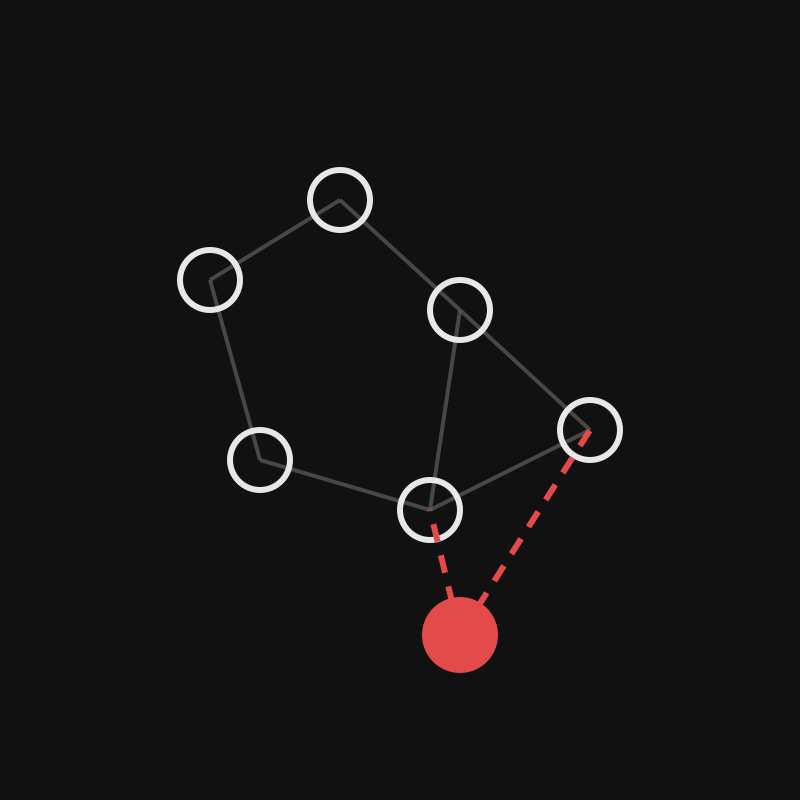 21Information Sticks Only When It's Used
 22Recognizing Information Is Easier Than Recalling It
 23Remembering Takes a Lot of Mental Resources
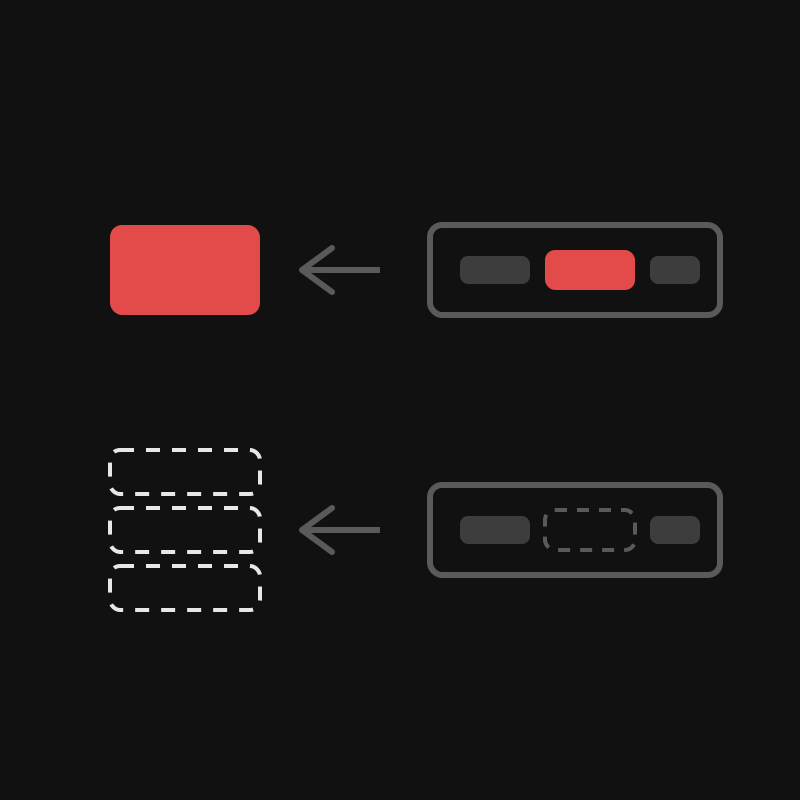 24Memories Are Reconstructed Each Time They're Recalled
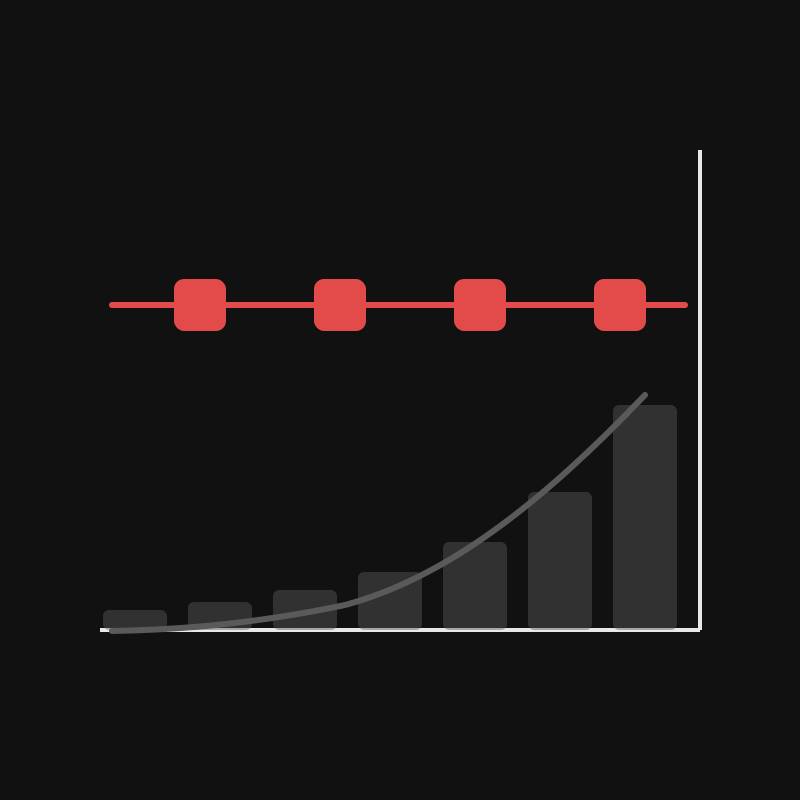 25Forgetting Is a Natural Part of How Memory Works
 26Vivid Memories Aren't Always Accurate
How we think
13 of 13
 27People Process Information Better in Bite-Sized Chunks
 28Some Types of Mental Processing Are More Challenging Than Others
 29The Mind Wanders a Third of the Time
 30The More Uncertain People Are, the More They Defend Their Ideas
 31People Create Mental Models
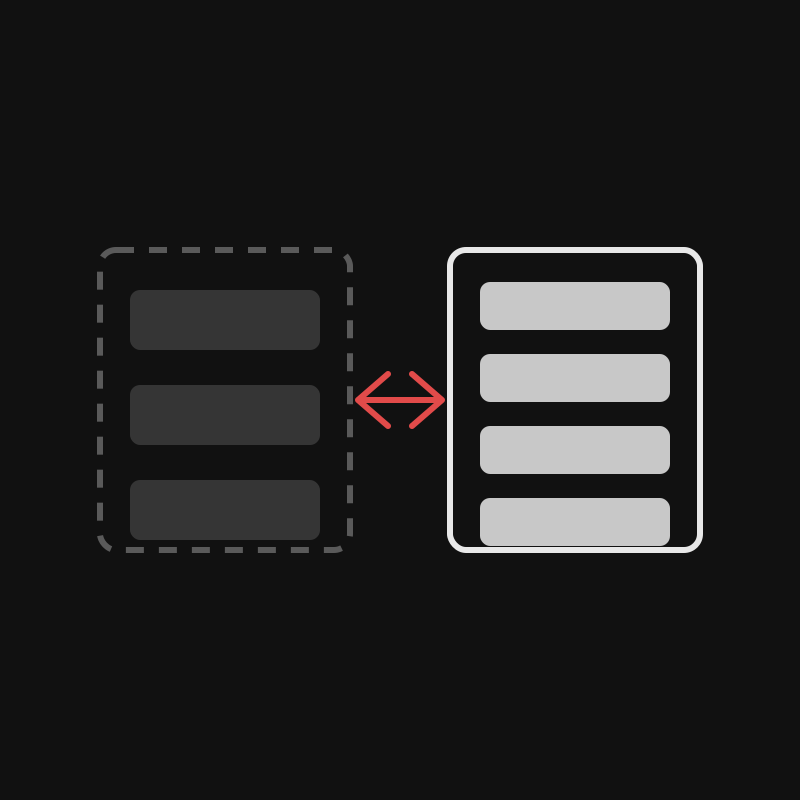 32The Interface Shapes the Conceptual Model
 33People Process Information Best in Story Form
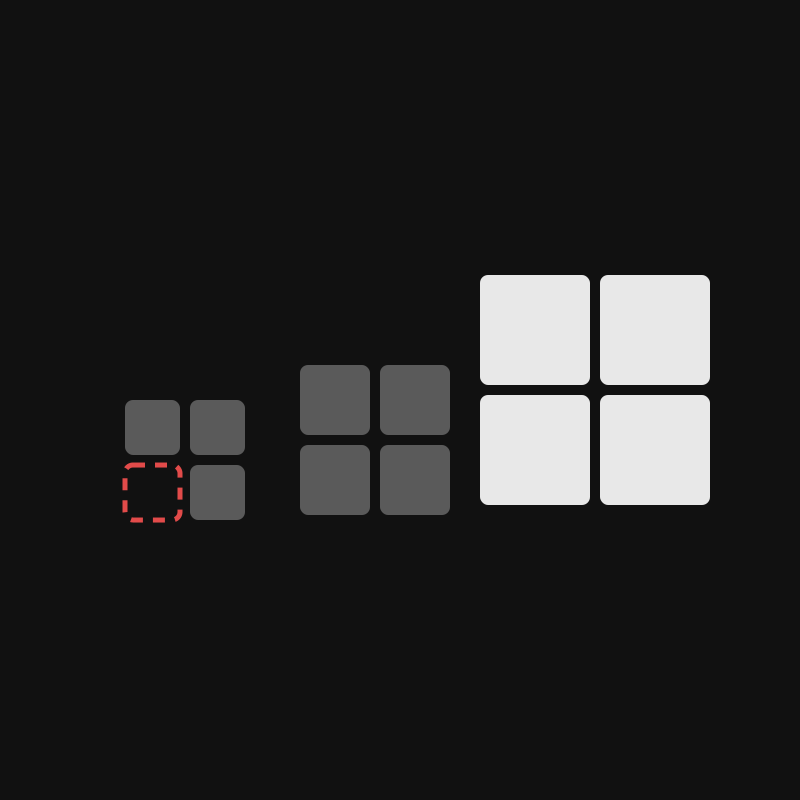 34People Learn Best From Examples
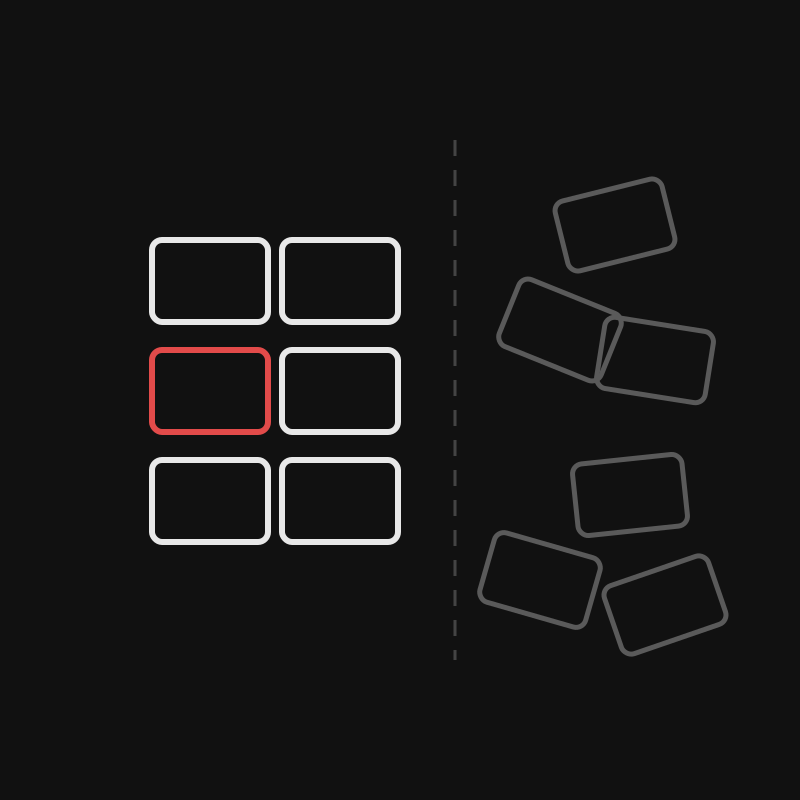 35People Are Driven to Create Categories
 36Time Is Relative
 37People Ignore Information That Doesn't Fit Their Beliefs
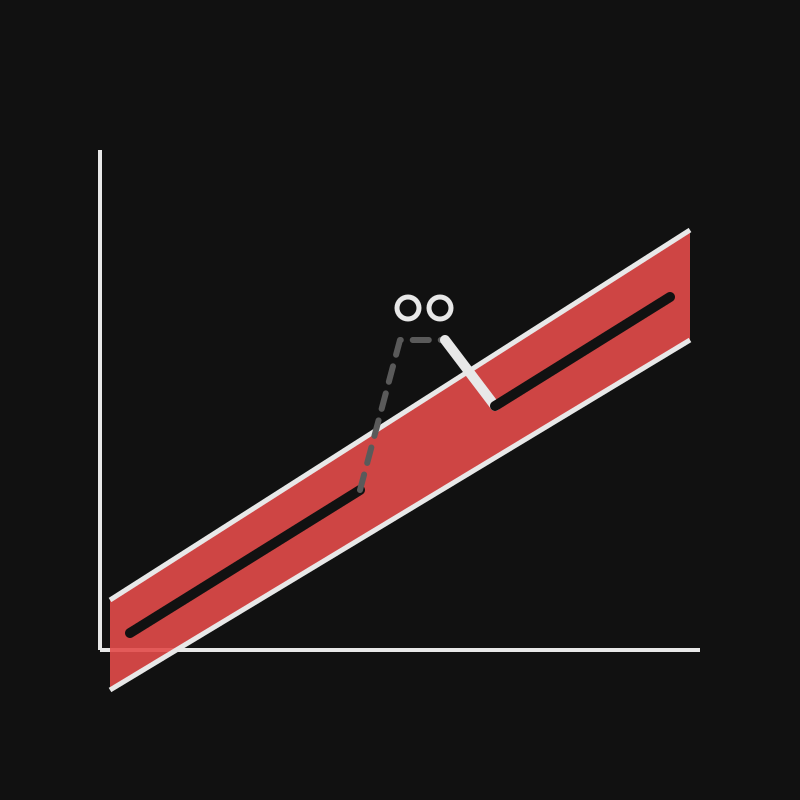 38People Can Get Into a Flow State
 39Mixed Text in Arabic Interfaces
How we focus
10 of 10
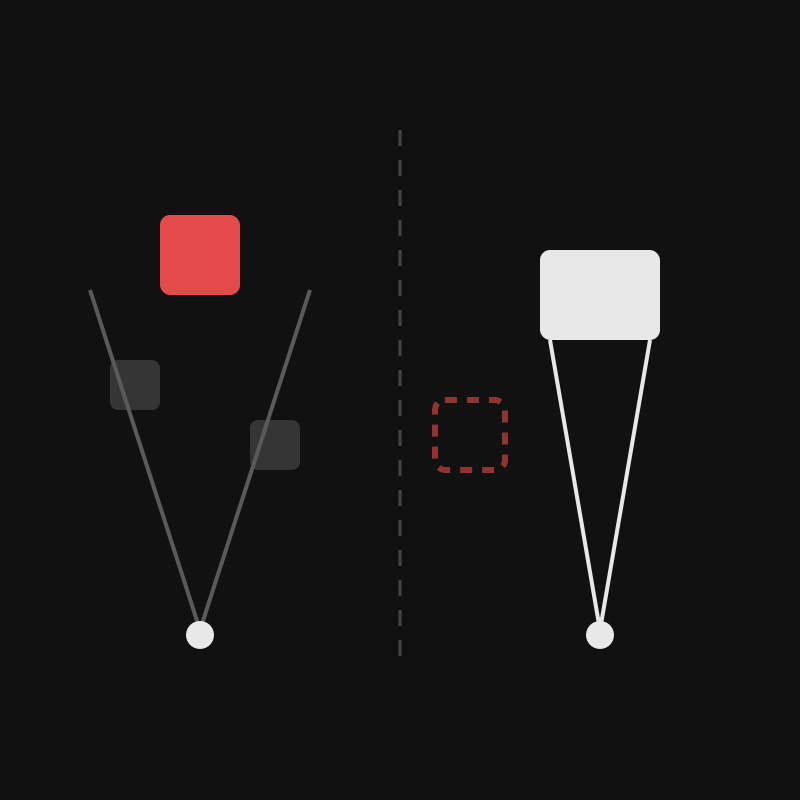 40الانتباه انتقائيArabic
 41الناس يعتادون على المعلوماتArabic
 42المهارات المتكررة لا تحتاج انتباهًا واعيًاArabic
 43توقع تكرار الأحداث يؤثر على انتباهناArabic
 44الانتباه المتواصل لا يدوم طويلًاArabic
 45الناس ينتبهون فقط للإشارات البارزةArabic
 46وهم تعدد المهامArabic
 47بعض المؤثرات تجذب الانتباه أكثر من غيرهاArabic
 48الأصوات المفاجئة تلفت الانتباهArabic
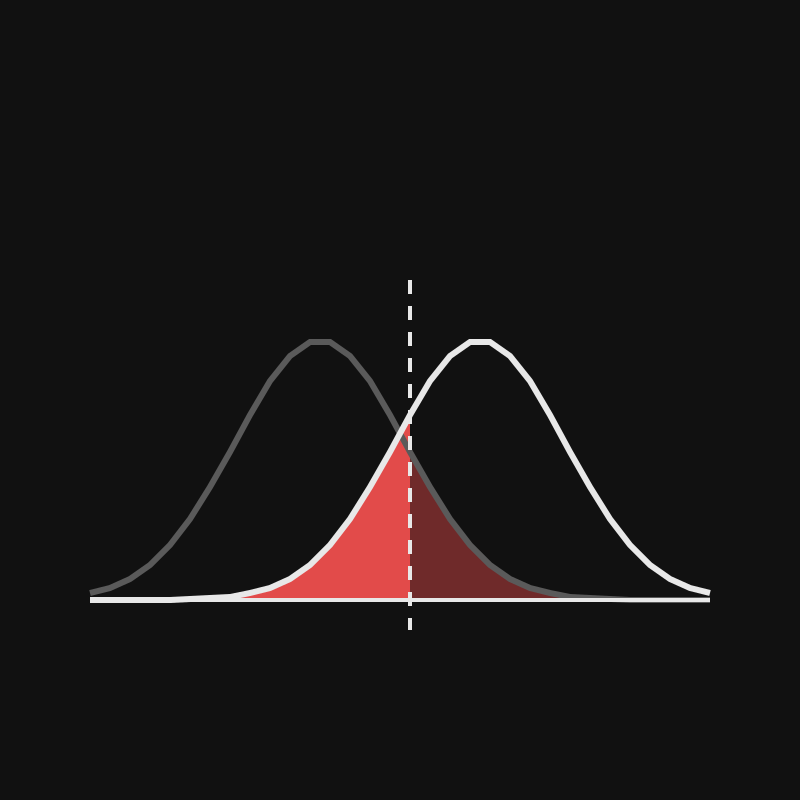 49لكي ينتبه الناس لشيء، يجب أن يدركوه أولًاArabic
What motivates us
13 of 13
 50يزداد حماس الناس كلما اقتربوا من الهدفArabic
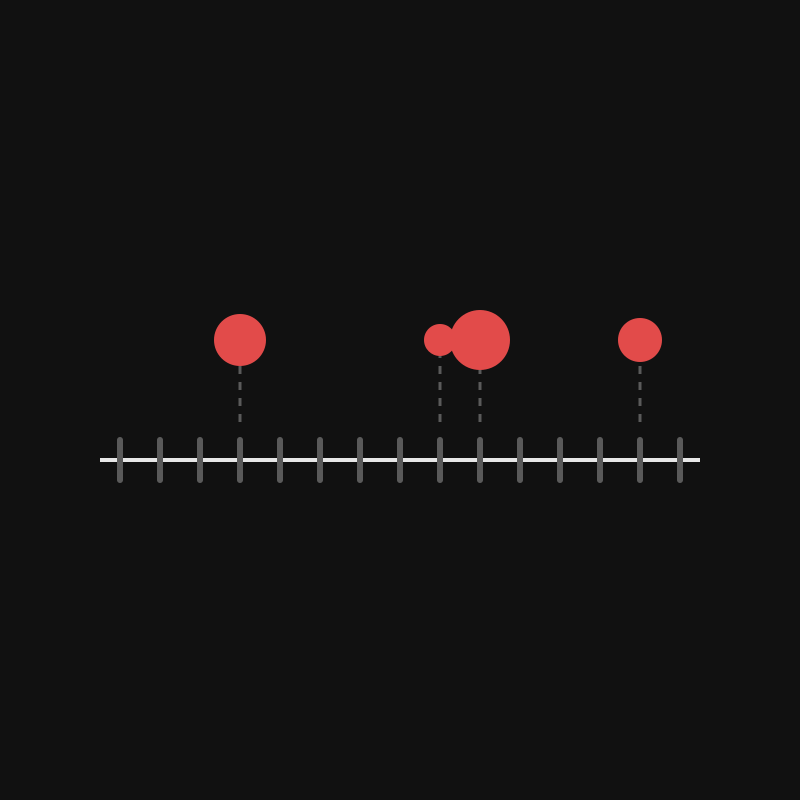 51المكافآت المتغيرة مؤثرةArabic
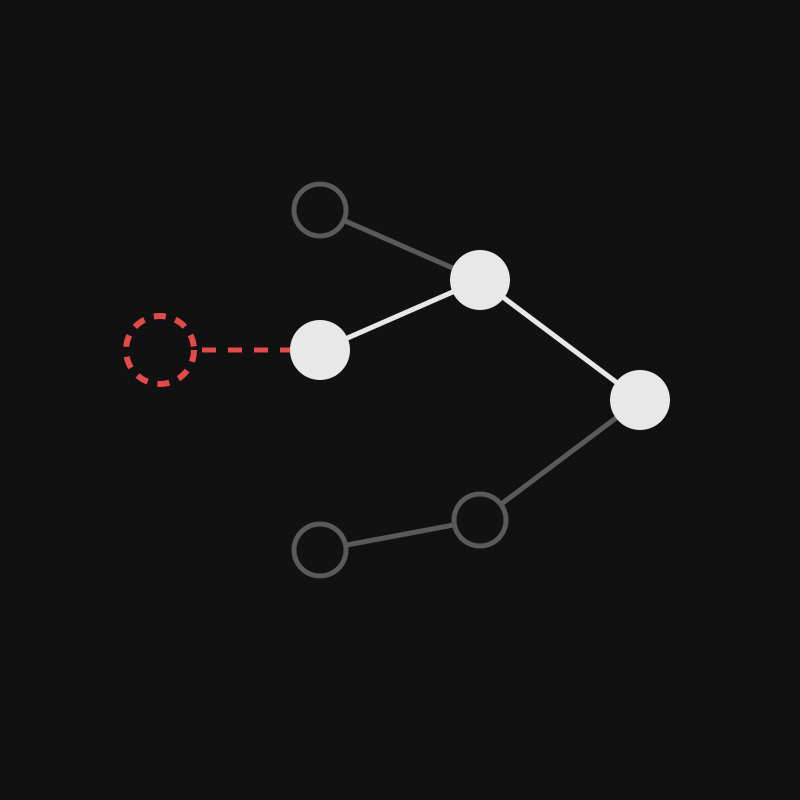 52الرغبة في المعرفة تدفعنا إلى البحثArabic
 53عدم التوقع يبقي الناس في حالة بحثArabic
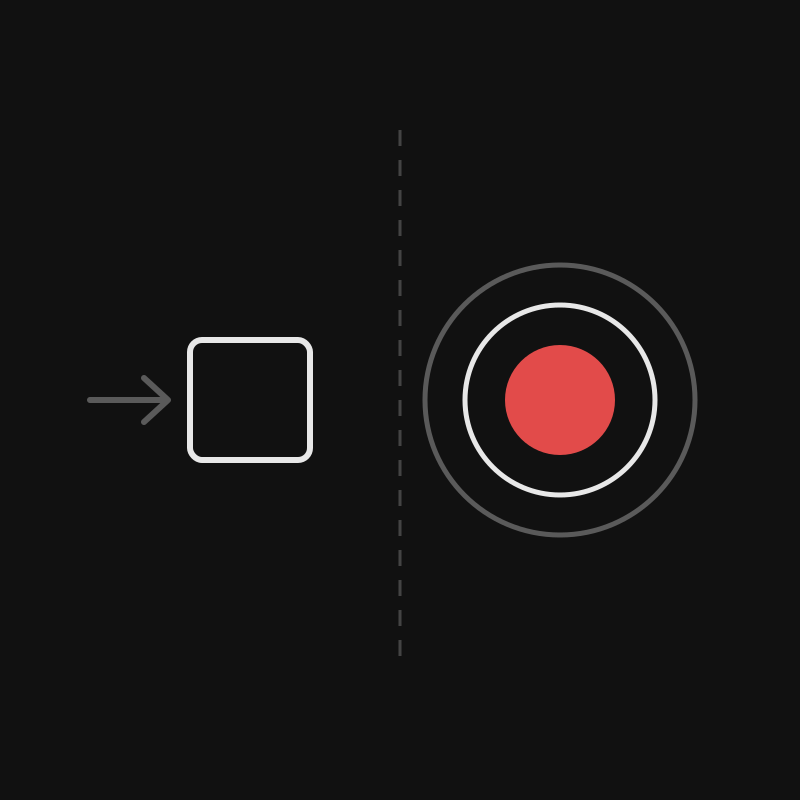 54الدافع الداخلي أقوى من المكافأة الخارجيةArabic
 55التقدم، الإتقان، والتحكم تحفزناArabic
 56الناس يتأثرون بما يفعله غيرهمArabic
 57نكتفي غالبًا بما يؤدي الغرضArabic
 58نستخدم الاختصارات عندما تكون سهلةArabic
 59الناس يفسّرون سلوك غيرهم بشخصياتهم لا بظروفهمArabic
 60العادة تثبت حين ترتبط بلحظة ثابتة من اليومArabic
 61نتحفّز للمنافسة أكثر حين يقل المنافسونArabic
 62الاستقلالية تحفّز الناسArabic
Social beings
8 of 9
 63العلاقات القريبة تختلف عن البعيدةArabic
 64نتعلّم ونقلّد بالمشاهدةArabic
 65ما نفعله معًا يقرّبناArabic
 66نتوقع من التطبيقات قواعد التعامل بين الناسArabic
 67وسيلة التواصل تغيّر ما يقوله الناس ومدى صراحتهمArabic
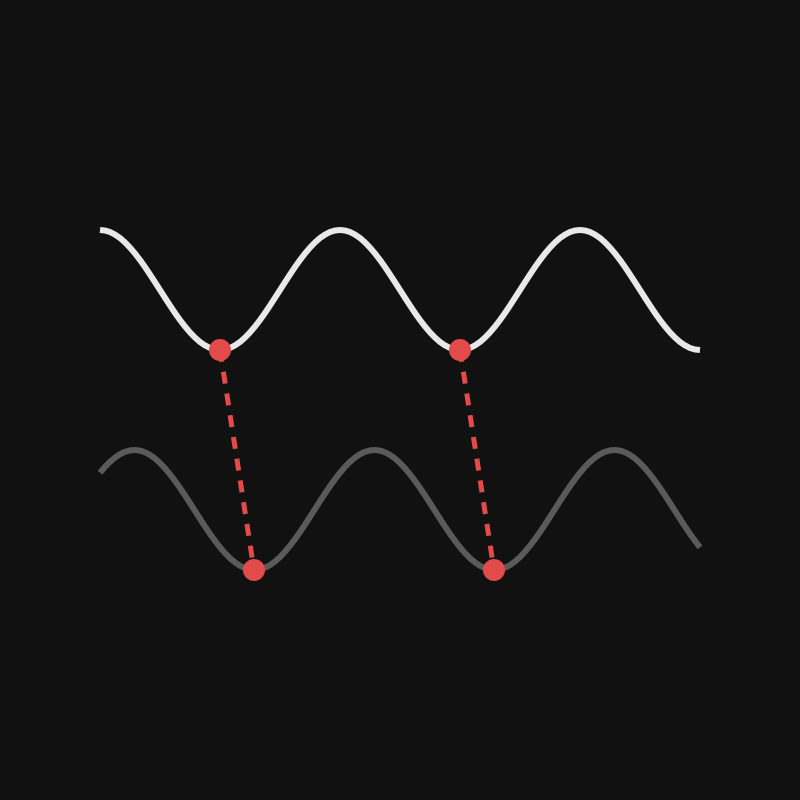 68التواصل المسموع يقرّب الفهم بين المتحدث والمستمعArabic
 69الدماغ يستجيب بشكل فريد لمن تعرفهم شخصيًاArabic
 70الضحك والتفاعل العفوي يقوّيان الروابط الاجتماعيةArabic
How we feel
0 of 13
This chapter's principles are coming up in the series.
How we make mistakes
0 of 5
This chapter's principles are coming up in the series.
How we decide
0 of 11
This chapter's principles are coming up in the series.