Time Is Relative
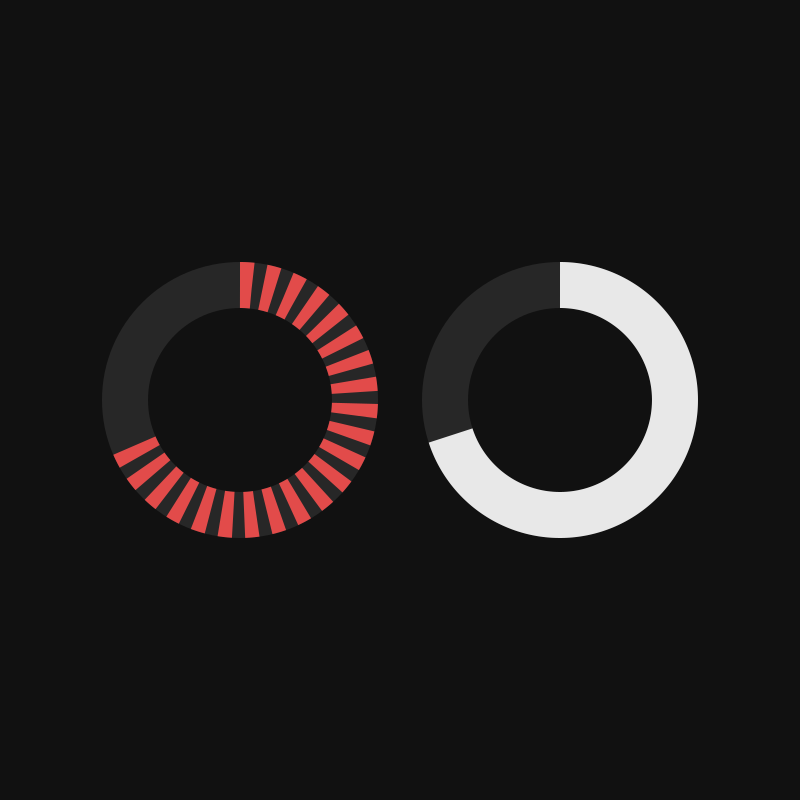
The time users feel isn't the time the clock measures. And what separates the two most is a single question: do they know when it will end?
Someone who knows they have 3 minutes to wait does something with them: locks the screen, replies to a message, then comes back. Someone waiting the same time without knowing when it ends stays in front of the screen watching it, because looking away might make them miss something. The first is waiting; the second is anticipating, and anticipation is much heavier.
That's why announcing a duration isn't enough on its own. “From 30 seconds to 4 minutes” is an announcement, but it doesn't give users anything to act on, so they plan for the worst case and stay put. The point isn't for them to know the duration, but to know enough to decide what to do with it.
A National Day greeting card
A screen that generates a Saudi National Day greeting card, in two states: an unknown wait and an expected wait.
In the first, a spinning circle, text saying generation is in progress, and an announced duration ranging from 30 seconds to 4 minutes. The wide range leaves users unsure which number applies to them, so they keep anticipating even though the duration is announced.
In the second, I replaced the circle with a progress bar showing a percentage and a decreasing time remaining, and added three named stages in three states: done, in progress and remaining. Users now know where they are in the process, not just that something is happening.
I added a line telling them they'll get a notification when it's done and can leave the screen, and that's the most important decision on it. The payoff of predictability is freeing users from watching the screen, and asking them to stay in front of it cancels half of what announcing the duration gained.
In the video, on the right, «انتظار مجهول» (Unknown wait): «جارٍ توليد بطاقة التهنئة…» (Generating the greeting card…) with an expected duration of 30 seconds to 4 minutes. On the left, «انتظار متوقَّع» (Expected wait): 68%, «بقي 40 ثانية تقريبًا» (About 40 seconds left), the stages «تجهيز التصميم» (Preparing the design), «الطابع الوطني» (Adding the national touch) and «جاهزة للمشاركة» (Ready to share), and the line «نشعرك عند الانتهاء، وتقدر تغادر الشاشة» (We'll notify you when it's done, and you can leave the screen).